A practical way to align stakeholders and confidently select the right AV partner
For most conferences, AV is one of the largest line items in the event budget — and one of the hardest areas to evaluate.
If you’ve ever been asked to find a new AV partner, you know the situation. Proposals arrive, the numbers may vary widely, and ultimately you’re expected to recommend the company that will deliver one of the most visible and mission-critical parts of the event.
You likely already have a process for doing this. Over time, you’ve developed your own way of evaluating AV teams and have successfully partnered with companies that delivered great events.
But when that process isn’t clearly shared with the rest of the organization, the responsibility for the decision can end up resting entirely with you — both the selection and the outcome.
This article lays out a simple framework you can use to walk stakeholders through the process so everyone understands how the decision will be made, what the early proposals represent, and why the final production plan develops over time.
This isn’t about teaching you how to issue an AV RFP. You already know how to do that. The goal here is to give you tools to help keep stakeholders aligned and informed as the evaluation unfolds.
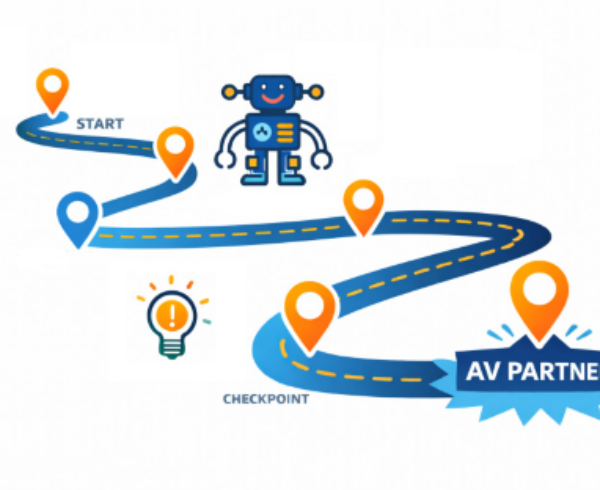
AV Selection Roadmap
One simple way to keep stakeholders aligned is to share a visual overview of the AV partner selection process at the start.
The AV Selection Roadmap outlines the stages of the evaluation and what each step represents for the organization. It helps stakeholders understand how the decision will unfold and when key updates will occur.
Used early in the process, the roadmap helps everyone see:
- how AV partners will be identified and invited to participate
- how proposals will be evaluated
- when stakeholders will have opportunities for input
- when the final recommendation will be presented
1. Align Stakeholders to the Selection Process
Purpose: Establish the evaluation approach before proposals arrive.
At the beginning of the process, sharing the roadmap sets expectations for how the AV partner will be selected and how the organization will move from proposals to a final decision.
This early alignment gives stakeholders visibility into:
- the stages of the evaluation process
- when proposals will be reviewed
- when updates will be shared
- when the final recommendation will be presented
The goal is simply to ensure everyone understands how the process will work and what to expect along the way.
2. Identify the AV Companies to Invite
Purpose: Develop a thoughtful shortlist of potential partners.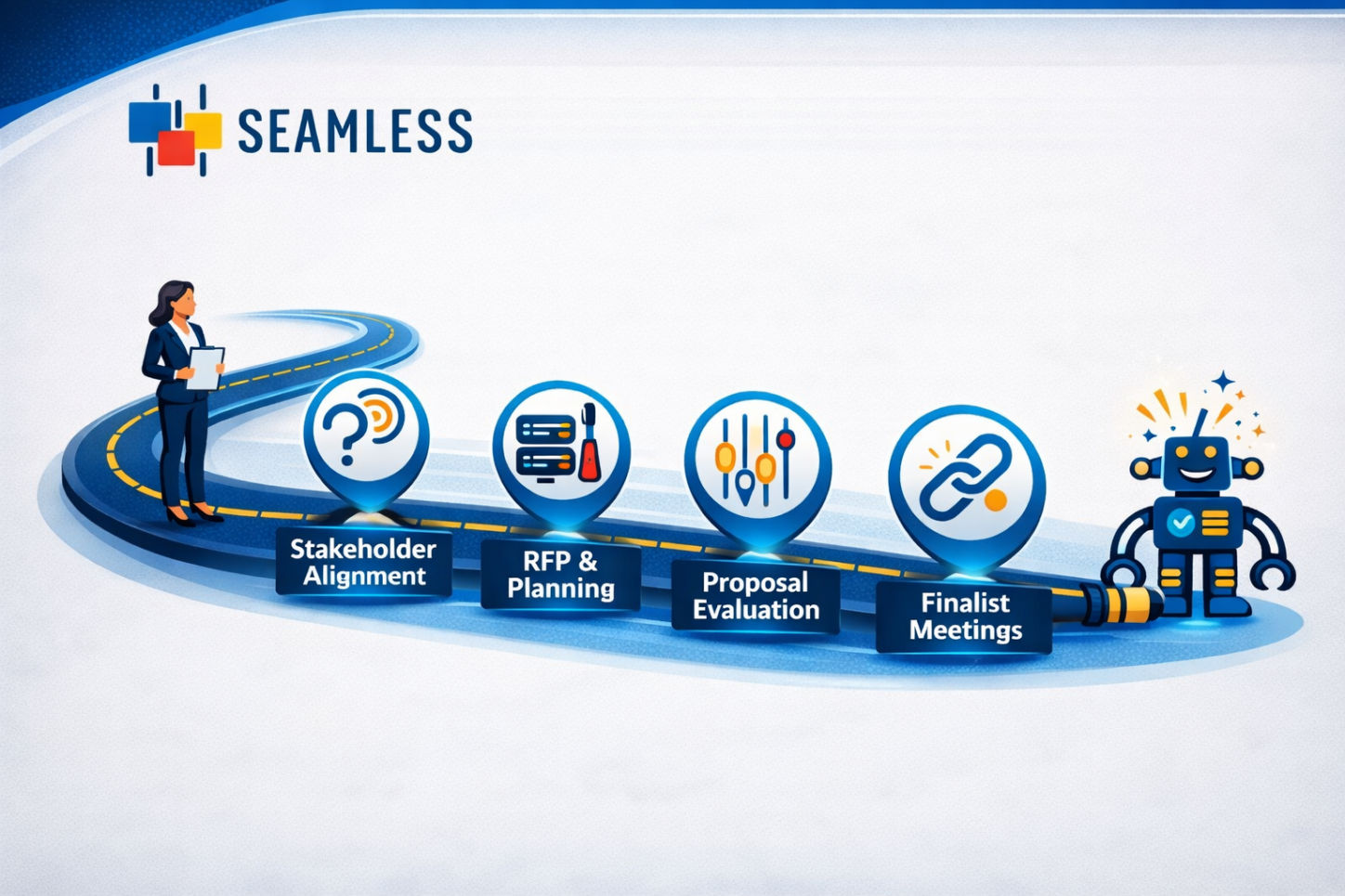
Next comes identifying the AV companies to invite into the RFP process.
In most cases, that means three to five vendors who appear capable of supporting the event.
When sharing this step with stakeholders, it can be helpful to explain how the shortlist was developed. The list often reflects a combination of:
- your experience with AV teams who have been strong partners in the past
- recommendations from trusted colleagues in your professional network
- suggestions from internal stakeholders or leadership
- input from other event vendors who work closely with production teams
Inviting suggestions at this stage gives stakeholders an opportunity to contribute early and ensures companies important to the organization are considered.
From there, you finalize the list of vendors invited to participate, focusing on companies that realistically have the capability to support the event.
Starting with a thoughtful group of candidates improves the quality of proposals and increases the likelihood that the finalists will be strong potential partners.
3. Issue the AV RFP
Purpose: Identify qualified partners for deeper evaluation.
The RFP provides a structured starting point for comparing potential AV partners.
This step typically happens six to nine months before the event, when the full program is still taking shape. You may rely on the core structure of the conference — often using the previous year’s schedule as a guide — along with early assumptions about general sessions, breakout rooms, and venue needs.
As a result, proposals at this stage usually focus on the primary elements of the conference. Ancillary components such as committee meetings, sponsor rooms, exhibit hall needs, and offsite events may not yet be fully defined and often do not appear in the initial proposal.
For that reason, proposals at this stage should be viewed as evaluation tools rather than finalized production plans. They represent a simplified version of the event based on the information available at the time.
It’s also helpful to remind stakeholders that these proposals are not final event quotes or complete budget numbers. Both scope and pricing will evolve as program details are finalized during the planning process.
The objective here is simply to identify which companies appear capable of supporting the event and should move forward to the next stage.
4. Evaluate Proposals and Shortlist Finalists
Purpose: Narrow the field to the strongest candidates.
Once proposals arrive, the next step is to review them and identify a small group of finalists.
At this stage, the focus is on understanding how each vendor approaches the event – not simply comparing line-item pricing.
If you’d like a practical way to organize proposal comparisons, we’ve outlined a simple evaluation tool here:
→ You’re Not Choosing a Price — You’re Choosing a Plan
At this point in the process, sharing a brief update helps keep stakeholders informed about:
- which vendors are advancing
- what differentiated the finalists
- why those companies were selected for further evaluation
5. Meet the Finalists
Purpose: Evaluate partnership fit and planning approach.
Finalist conversations are where the most meaningful differences often appear.
This is where you begin to see how each vendor thinks about the event, how they approach problem solving, and how they collaborate during the planning process.
We’ve outlined a structure for these conversations here:
→ Beyond the AV RFP: How to Choose an AV Partner Who Has Your Back
Following these conversations, another short update helps stakeholders understand what emerged from the discussions.
Pro Tip for Planners
Pay close attention to the questions and reactions that surface during the check-ins you lead throughout the evaluation process.
Stakeholder comments often reveal expectations that were never formally articulated at the start of planning – whether that’s concerns about staffing levels, rehearsal time, speaker support, or reliability onsite.
These insights can be extremely helpful. They clarify priorities across the organization and help ensure the final recommendation reflects what matters most to the broader team.
6. Present the Final Recommendation
Purpose: Deliver a clear, well-supported decision.
At this stage, you present a summary of the evaluation process and the outcomes at each step.
This recap typically includes:
- how vendors were initially identified
- how proposals were evaluated
- what emerged during finalist conversations
- the rationale behind the recommended partner
Because stakeholders have seen the process unfold along the way, the recommendation typically feels like the natural conclusion of the evaluation – rather than a big reveal.
7. Begin Planning and Develop the Working AV Budget
Once the AV partner is selected, the detailed planning phase begins.
Now the team has access to information that wasn’t available during the RFP stage, including:
- finalized session plans
- speaker needs
- updated schedules
- venue constraints
- stakeholder priorities
With the full picture in place, the production plan can be engineered properly.
This is when the accurate working AV budget is developed.
The proposal submitted during the RFP stage should be understood as an early estimate based on limited information – a step along the way rather than the final destination.
The Bottom Line
Selecting the right AV partner rarely happens in a single step.
➜The RFP identifies qualified candidates.
➜The evaluation process reveals the right partner.
➜The planning process builds the production plan.
When stakeholders understand that progression, you can move forward with confidence – knowing the partner, the plan, and the path ahead are aligned.